Shade-Loving Perennials for North-Facing Gardens: A Beginner's Comparison
October 30, 2026 - Plant Care
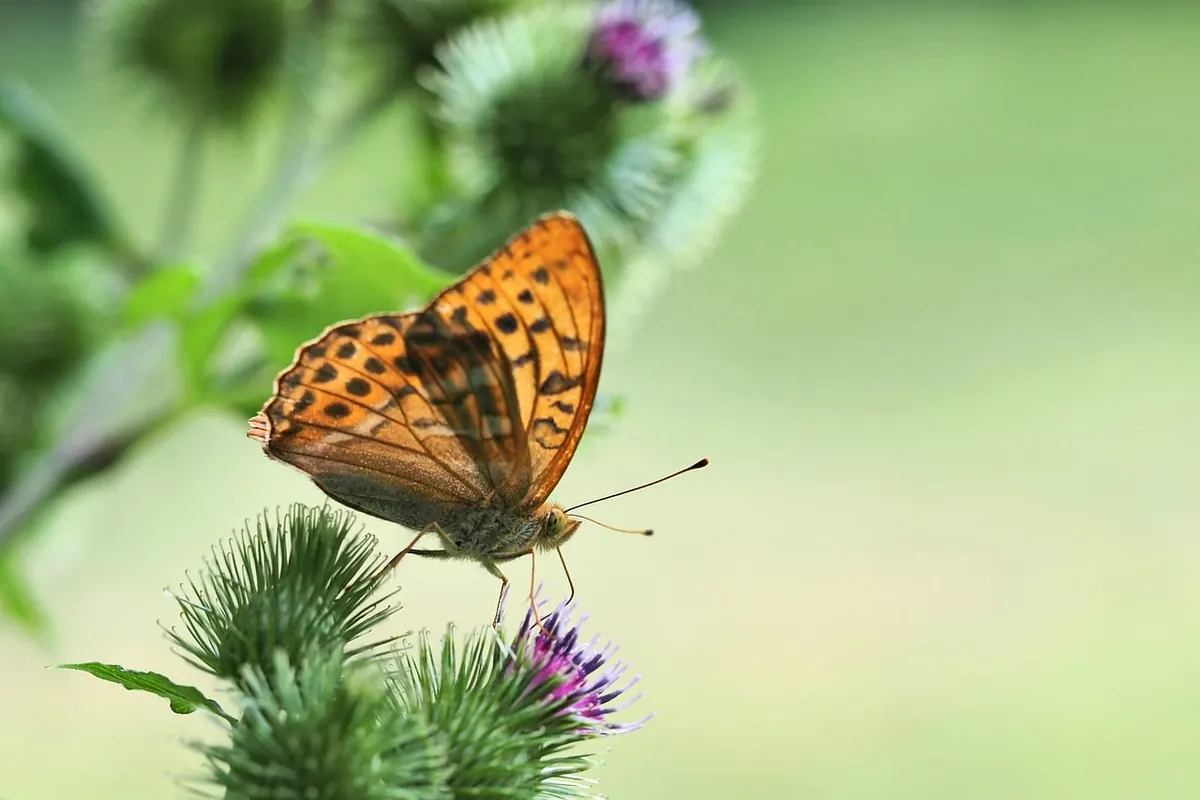
A bumblebee works a clump of lavender while, two metres away, a blackbird strips a cotoneaster of its berries. Both scenes are good ones, and neither depends on where the plants originally came from. That is the awkward truth at the centre of a debate that often turns into a purity test. The useful question is not whether a plant is native, but what it actually does in your garden, for how long, and at what cost.
Native plants usually win on insect support. Well-chosen exotics often win on stamina, colour and late-season nectar. Most gardens can hold both, provided you know which plants are doing the real work and which are quietly making trouble.
Native is a regional word, not a universal one. If you garden in Italy, a native plant is one that belongs to the Italian peninsula and its wild habitats: wild strawberry, strawberry tree, Judas tree, a clump of wild marjoram. Lavender from the western Mediterranean may be near-native in Puglia and a well-behaved guest in a damp northern garden. Rosemary and olive are familiar, but not automatically native everywhere they are sold.
The distinction matters because the value of a native plant lies in its relationships. Local insects have evolved alongside local plants for a very long time, and many of them are fussy. Caterpillars of countless butterflies and moths can digest only a small group of plants, sometimes a single genus. Oaks and willows are famously generous hosts, feeding far more caterpillar species than most garden shrubs. A hawthorn hedge, a buckthorn bush or a patch of bird's-foot trefoil will each bring in their own specialists.
Timing counts too. Native plants tend to leaf out, flower and set seed in step with the insects that use them. Ivy is the obvious example: unremarkable for most of the year, then a late-autumn nectar station when worker bees are running out of options. And because birds raise their chicks on insects rather than seeds, the caterpillar supply on native trees and shrubs is not a side benefit. It is the main event.
Exotics are not the villains of this story. Most of them are not invasive, and many are superb wildlife plants. A single-flowered dahlia keeps flowering into October, long after the native meadow has gone to seed. Cosmos, salvia, catmint, agastache and lavender are all generous with nectar and easy for a wide range of insects to use. For a honeybee or a hoverfly stocking up before winter, a garden that stops feeding in August is a garden that fails.
Exotics also bring structure and shelter that native planting alone rarely provides. A dense evergreen shrub gives birds somewhere to roost out of the wind. A clipped box or phillyrea hedge offers cover. Berry-bearing shrubs from Asia and the Americas — cotoneaster, pyracantha, berberis — are eaten by thrushes and blackcaps, even if they are not always as nourishing as a hedgerow of hawthorn and elder.
The practical point is that an exotic earns its place when it adds something the native palette cannot: late flowers, winter cover, a gap filled in a difficult corner. It is a poor choice when it duplicates what you already have, seeds itself across the neighbourhood, or needs coddling to survive.
Before you buy, look at the flower's shape. It tells you more about which insects will visit than the plant's country of origin ever will.
Plant in clumps rather than one of each thing. A bee working a patch of ten catmints will visit far more efficiently than one flitting between ten different plants, and a drift is easier for you to look after. Aim for something in flower from early spring, when queen bumblebees emerge, right through to ivy and late salvia in November.
Berry-bearing shrubs get all the attention, but they matter most in autumn and winter. During the nesting season, most small garden birds are hunting protein, and the bulk of it is caterpillars. This is where a native tree or two pays off in a way no feeder can match.
For autumn and winter, the berry menu is broader than purists suggest. Hawthorn, elder, guelder rose, spindle and dogwood are all excellent native choices; cotoneaster and pyracantha are eaten readily too. A mixed hedge with both is a good hedge. Add seed heads left standing — teasel, sunflower, goldenrod, the dry skeletons of fennel and nigella — and you have food well into the cold months.
Shelter and water complete the picture. A thorny hedge, a dense evergreen and a shallow dish of water refreshed every couple of days will do more for birds than any amount of birdseed.
Native planting is often sold as no-work gardening. That is only true if the plant is matched to the site. A native that wants damp shade will sulk and die in dry sun just as surely as an exotic. Choose by soil, light and rainfall, and once established most natives need no feeding, no staking and little watering.
Exotics from dry climates — lavender, rosemary, cistus, agapanthus — need sharp drainage and, in cold gardens, winter protection or a pot that can be moved. Dahlias need lifting or heavy mulching in frosty areas and benefit from deadheading. Anything you grow in a container will need more water and feeding than the same plant in open ground.
Watch out for the reverse trap: native does not mean well behaved. Bramble, ivy and mint relatives spread with enthusiasm, and some native grasses self-seed into everything. Give them a boundary, a root barrier or a firm hand with the shears. Meanwhile, many exotics need deadheading purely to stop them setting seed where you do not want them.
This is the one place where a gardener's choice has consequences beyond the fence. Some ornamentals escape into the countryside and displace native vegetation, and a few transform habitats entirely. Before buying, run through these checks:
Most exotics fail these tests harmlessly; they simply cannot spread without help. The few that can are worth the extra minute of research.
None of this requires a purist's garden. A native backbone with a generous fringe of well-behaved exotics will feed more insects, support more birds and ask less of you than a collection chosen purely on looks — or purely on principle.
Photo: Ralf1403 / Pixabay
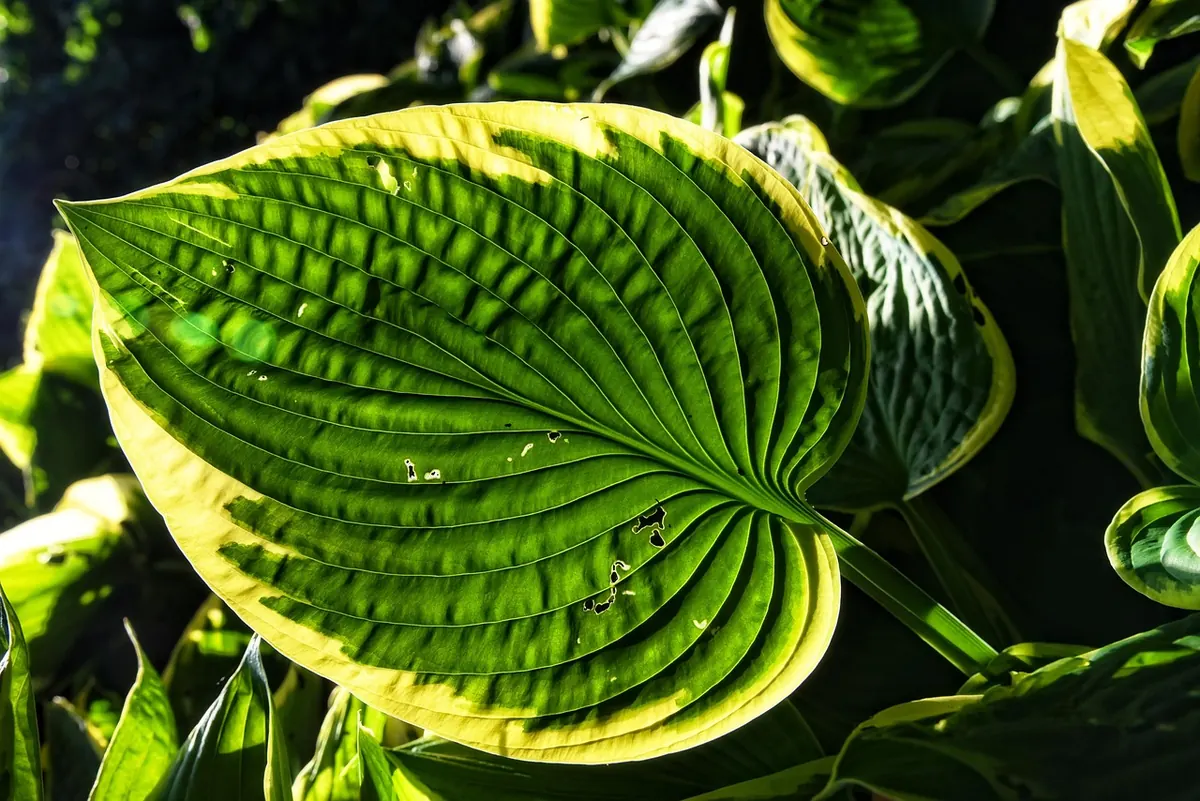
North-facing gardens are cool and often damp, but the right perennials turn that shade into layered foliage, winter...
A quiet, layered garden with a shallow dish of water, hedges left alone in spring and one scruffy corner can turn a...
Copyright © 2026 Racconti Del Giardino. All Right Reserved.