Shade-Loving Perennials for North-Facing Gardens: A Beginner's Comparison
October 30, 2026 - Plant Care
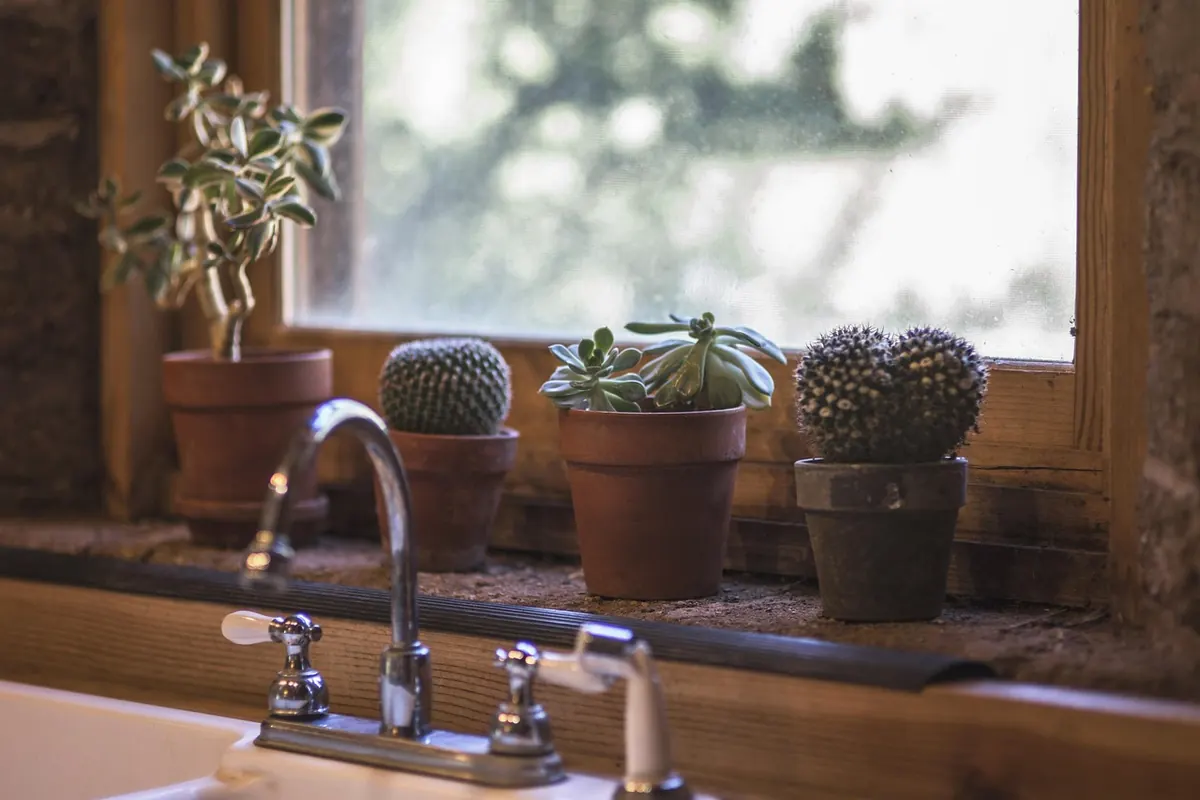
A monstera that pushed out three leaves in July can look thoroughly unimpressed by January. Leaves yellow, curl at the edges, and let go—sometimes a handful a week—and a plant that seemed to run itself in summer suddenly needs supervising. It happens to almost every indoor gardener, and it is rarely a sign that you have a black thumb. In most cases the plant is simply responding to a change in its environment, and the change is usually one you can make.
Winter leaf drop almost always traces back to four things: less light, cold draughts, a shift in how much water the plant actually needs, and dry indoor air. These often overlap, which is why guessing at a single fix tends to disappoint. Read the symptoms, adjust the conditions, and give the plant a few weeks to answer.
Light is where most winter problems begin. The days are shorter, the sun sits lower, and even a bright south-facing window delivers far less usable light in December than it did in June. Cloud cover does the rest. A plant that was comfortably fed all summer can no longer produce enough energy to support every leaf it carries, so it sheds the ones it can least afford—usually the oldest, lowest leaves first.
Watch for the telltale signs of a plant stretching for light: new leaves coming in smaller than the last, longer gaps between leaves along the stem, and stems leaning hard toward the glass. That is a plant spending everything it has on reaching the window.
Resist the urge to compensate with fertiliser. Growth is slow for a reason, and feeding a plant that cannot photosynthesise properly only pushes soft growth and salts up the compost.
A windowsill in winter is a strange place to live. The glass itself may be only a few degrees above freezing, while a radiator directly beneath it blasts warm, dry air upward. Leaves touching the pane go cold and limp; a cold night can strip a ficus or a calathea of half its leaves by morning.
The usual culprits are easy to spot once you look for them: leaves curling away from the glass, brown patches on the side facing the window, and a sudden drop after the first really cold spell. Doors that open onto stairwells, letterboxes, and air conditioning units cause similar trouble.
The remedy is simple. Move plants thirty to sixty centimetres back from the glass in midwinter, or put a thick curtain between the plant and the window at night—and take care not to wedge a plant in the cold pocket behind the fabric. Aim for steady, ordinary room warmth rather than a warm spot that swings cold every evening.
Here is the trap. Less light means slower growth, and slower growth means the plant is drinking far less than it did in July. The soil in the pot stays wet for twice as long—and if you keep to your summer schedule, you are slowly drowning the roots. Soggy compost starves roots of oxygen, rot sets in, and leaves drop. Frustratingly, the leaves of an overwatered plant often look limp and yellow, exactly like the leaves of a thirsty one.
Soil, not calendar, should decide. Push a finger three to five centimetres into the compost before watering; if it is still cool and damp, wait. Lifting the pot is even more reliable once you know its dry weight—a freshly watered ten-centimetre pot feels noticeably heavier than a dry one. A wooden chopstick left in the soil and pulled out for inspection works well for deep pots.
Succulents and cacti should go almost completely dry between waterings, and some will go weeks without a drink in winter. Ferns, calatheas and other tropicals want to stay lightly moist but never waterlogged. Ficus, citrus and most aroids are happiest when the top few centimetres dry out first. When you do water, water thoroughly until it runs from the drainage holes, then empty the saucer—a small sip every few days leaves the lower roots dry and the upper roots wet, which suits nothing.
Heated rooms are dry rooms, and central heating can pull indoor humidity down sharply. Low humidity shows itself as crisp brown tips and edges, leaves curling inward, and flower buds that shrivel before opening. It is worth saying plainly, though: dry air alone rarely causes dramatic leaf drop. It is usually the accomplice rather than the culprit, worsening stress that light and water problems started.
Misting gives a brief lift and little more, and on fuzzy-leaved plants such as African violets and begonias it risks spotting and rot. Grouping plants together creates a slightly damper pocket of air around them, and a pebble tray helps a little—but a small room humidifier does more than either. Keeping plants away from radiators and hot air vents is the cheapest improvement you can make.
Some loss is simply housekeeping. If a large plant sheds an old leaf every week or two, and the leaves in question are the lowest, oldest and yellowing first, it is rebalancing itself for a slower season. Ficus benjamina is famous for sulking—it can drop a startling number of leaves after being moved, draughted, or simply because the season changed, and still leaf out again in spring.
Worry instead when young leaves drop, when new growth stops entirely and stems look soft or dark, or when the soil stays wet for a week or more. Those point to root trouble, and root trouble needs action now.
Water less often, but water properly when you do—in the morning, so any splashes on the foliage dry before the cooler night. Keep leaves dry after dark. Turn the pots a little each week. Take a photo on the first of the month so you can judge progress by comparison rather than by anxiety.
Hold off on repotting, hard pruning and feeding until March, unless you are dealing with soggy, rotting roots that cannot wait. Winter is a season for maintenance, not transformation. Do the small things consistently and most plants will come through looking a little thinner but perfectly sound—then reward you with a flush of new growth as the light returns.
Photo: TheVirtualDenise / Pixabay
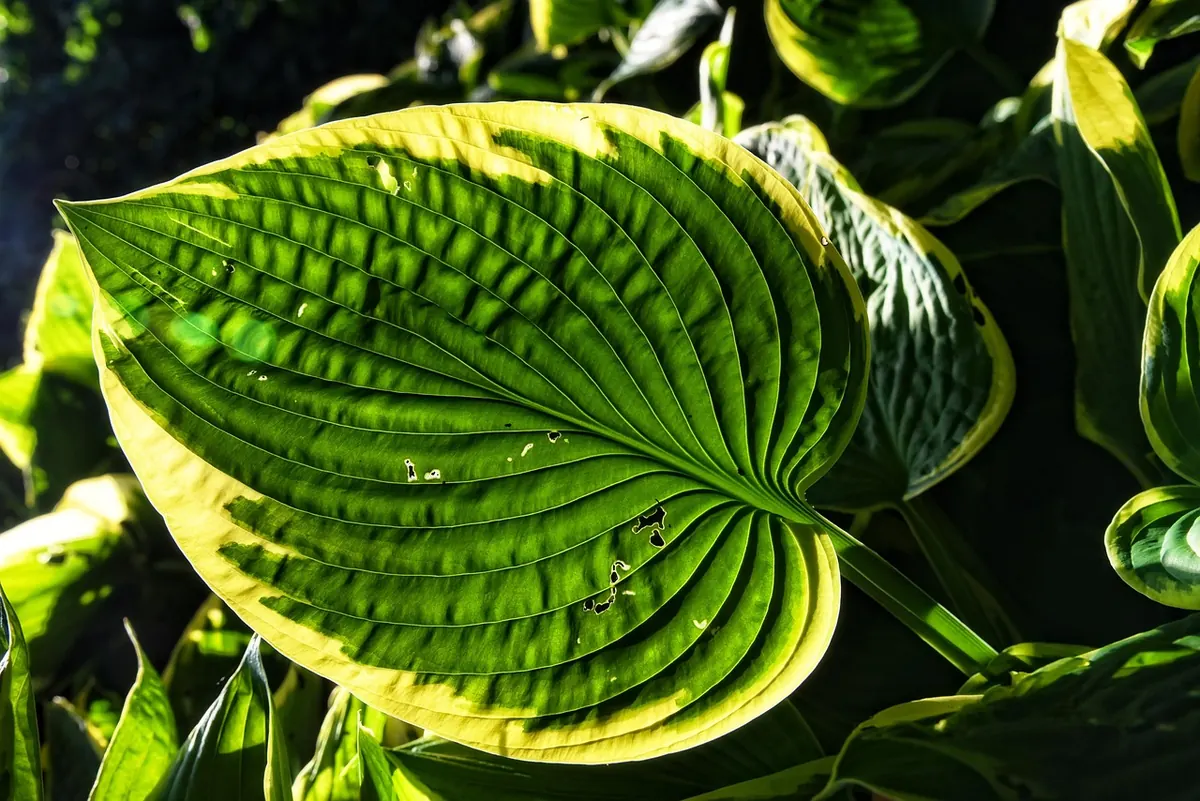
North-facing gardens are cool and often damp, but the right perennials turn that shade into layered foliage, winter...
A quiet, layered garden with a shallow dish of water, hedges left alone in spring and one scruffy corner can turn a...
Copyright © 2026 Racconti Del Giardino. All Right Reserved.